

The stock market is definitely the foundation for building riches. From multinational businesses to individual traders, millions of men and women count on it in order to grow their assets in addition to achieve financial freedom. But success in stock trading doesn’t find luck—it demands knowledge, planning, and discipline.
This comprehensive guide is exploring the most efficient stock market strategies for the two beginners and advanced beginner traders. It highlights technical analysis, risk management, in addition to actionable techniques many of these as swing investing, day trading, and even trend-following. You'll learn to read charts, employ technical indicators, examine price movements, and even execute stock investments with confidence.
one. Learning the Basics regarding the Wall street game
Before diving into superior trading strategies, it’s crucial to understand how the stock market works.
What is a stock?
A stock symbolizes ownership in some sort of company. When you buy a share, you get a little piece of that business.
What is the stock market?
Typically the stock market is an industry where stocks are bought and distributed through exchanges love the NYSE and NASDAQ.
Why do stock prices transformation?
Stock prices modify based on provide and demand, affected by news, earnings reports, economic signals, and investor sentiment.
Understanding these stock market basics is essential before using virtually any investment strategy.

2. The strength of Technical Examination
Technical analysis entails studying historical value data and volume level trends to prediction future price motions. It’s one regarding the most popular methods in stock trading.
Popular technical equipment:
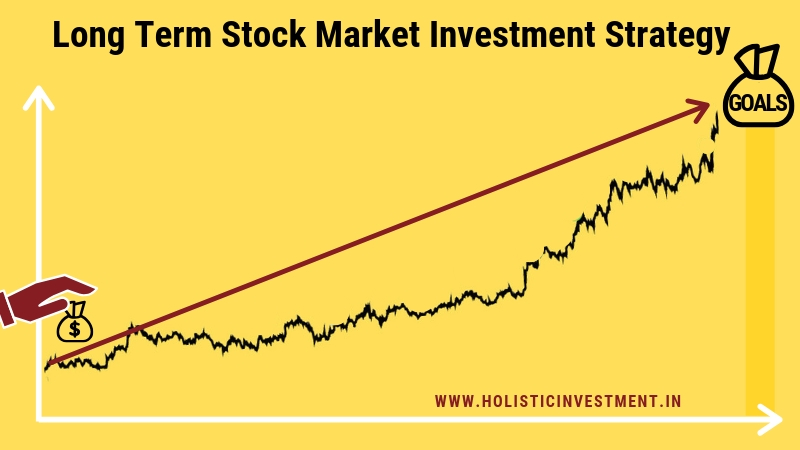
Moving Averages (MA) – Help determine the direction of any trend.
MACD – Signals momentum in addition to trend reversals.
RSI (Relative Strength Index) – Indicates overbought or oversold situations.
Bollinger Bands – Measure market movements.
Fibonacci Retracement – Helps identify prospective pullback levels.
Understanding these tools boosts your technical trading strategy.
3. Recognizing Data Designs
Chart designs are visual diagrams of price moves that help anticipate future trends.
Standard chart patterns:
Head and Shoulders – Indicates a pattern reversal.
Double Top/Bottom – Shows assistance or resistance.
Triangles – Often signal a continuation associated with the current pattern.
Flags and Pennants – Mark short-term consolidation before the breakout.
These styles are essential to building a successful chart analysis method.
4. Multi-Timeframe Evaluation
Multi-timeframe analysis involves using multiple graph and or chart intervals (e. g., monthly, weekly, daily) to validate styles and refine entries.
Monthly/Weekly charts – Show long-term market direction.
Daily charts – Highlight golf swing trade opportunities.
Intraday charts – Greatest for stock investing setups.
This layered technique helps eliminate false signals and enhances trade accuracy.
five. Understanding Volume within Trading
Volume exhibits how many stocks are traded throughout a given time plus helps confirm the particular strength of the tendency.
Volume indicators:
On-Balance Volume (OBV) – Measures buying/selling stress.
Volume Moving Regular – Smooths surges to show legitimate interest.
Accumulation/Distribution Range – Detects institutional activity.
High quantity with price motion confirms a sturdy market trend.
six. Swing Trading vs. Day trading investing
Both are popular short-term stock trading strategies with different styles:
Swing Trading:
Holds trades for 1–10 days
Makes use of chart patterns and even technical indicators
Suitable for individuals with limited screen moment
Day Trading:
Closes jobs within the identical day time
Focuses about intraday volatility
Requires speed, focus, and even real-time analysis
Both rely on knowing support and resistance and using tools like RSI in addition to MACD.
7. Breakout Trading and Energy Strategy
These methods shoot for quick income through rapid marketplace movements.
Breakout Trading:
Enters on value breakout from a new consolidation zone
Concurs with using strong volume level
Uses stop-loss simply below breakout level
Momentum Trading:
Targets stocks with sturdy price action
Uses RSI, stochastic oscillators, and even volume scanners
Suitable for traders chasing pre-market movers
8. Understanding Risk Management
No more strategy succeeds with no solid risk control.
Risk rules:
Danger only 1–2% each industry
Maintain the minimum 1: a couple of risk-to-reward ratio
Make use of stop-loss orders consistently
Avoid revenge trading
Protecting capital will be more important as compared to chasing big is victorious.
9. The Function of Trading Mindset
Your mindset are essential in long-term stock trading success.
Discipline – Stick to the trading psychology plan
Patience – Await high quality setups
Confidence – Trust your technical analysis
Resilience – Find out from losses with out overreacting
Keeping a trading journal helps improve your emotional control and regularity.
10. Combining Technical and Fundamental Evaluation
Combining both analysis methods enhances your overall trading effects.
Use fundamentals (e. g., earnings, income, debt) to get strong stocks
Use specialized indicators to moment your entries in addition to exits
This hybrid approach is great for long lasting investors and position traders.
11. Perfect Technical Indicators regarding Stock Traders
Indicator Purpose
MACD Trend and energy analysis
RSI Identifies overbought/oversold
Bollinger Bands Measures unpredictability
Volume Profile Shows superior activity price ranges
Fibonacci Retracement Predicts retracement amounts
Use these in combination to improve technical method performance.
12. Developing Your Own Buying and selling Method
Your investing system should arrange with your schedule, funds, and risk ceiling.
Trading strategy design:
Market filter: Simply trade stocks using high volume and even liquidity
Setup conditions: Define your ideal trade pattern or even indicator indicators
Entrance trigger: What agrees with your sell or buy actions
Stop-loss rule: Safeguards against large loss
Exit plan: Established a profit concentrate on or trailing stop
Always test the system which has a demo account first.
13. Using Stock Screeners to Find Trades
Stock screeners conserve time by selection thousands of tickers.
Top free screeners:
Finviz – Best for technical styles
TradingView – Timely scans and notifications
Yahoo Finance – Great for blocking by fundamentals
Illustration filters:
Volume > 1 zillion
Price > $5
RSI < 30 (oversold setup)
14. How to Track Your Trades and Performance
Hold a trade log with:
Entry and exit points
Technique used
Profit or even loss
Screenshots regarding setup charts
Take a look at trades weekly to discover winning patterns and even improve your benefits.
15. Final Feelings: From Theory to Execution
Success inside the stock market is just not about predicting—it’s concerning preparing. By implementing proven stock trading strategies, staying disciplined, and adapting to industry conditions, offer on your own the best chance to build sustainable prosperity.
Key reminders:
Constantly trade with a strategy
Let data guide you, not emotion
Practice and improve regularly
Prioritize risk management